Traveling Alone? Your Accommodation Choice Is the Most Important Decision You'll Make
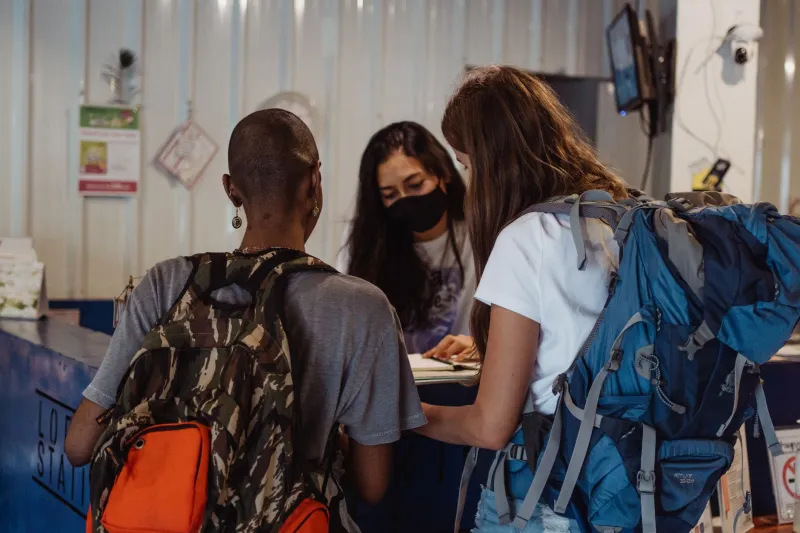
Solo travel has had a serious glow-up. According to recent travel industry data, solo trips now account for roughly one in four leisure bookings in the US — and that number keeps climbing. More Americans than ever are ditching the group itinerary, booking a single room, and heading out on their own terms.
But here's what the glossy travel content doesn't always tell you: the place you sleep matters more when you're alone than it does in any other travel scenario. It affects your safety, your social life on the road, your daily energy levels, and whether you come home feeling like you conquered something or just survived it. At RoomBST, we've talked to dozens of solo travelers and dug into what actually separates a great solo stay from a forgettable — or regrettable — one.
Why Accommodation Hits Different When You're Solo
When you travel with others, your accommodation is mostly just a base. You have built-in company, built-in problem-solving, and built-in security. When you're alone, your room becomes your anchor. It's where you decompress, where you figure out tomorrow's plan, and sometimes where you eat dinner by yourself on a Tuesday night wondering if you made the right call.
The wrong accommodation can amplify loneliness, create safety concerns, and drain the spontaneous energy that makes solo travel worth it. The right one does the opposite — it gives you a community when you want one, privacy when you need it, and a baseline sense of security that frees you to actually enjoy the trip.
Hostels Aren't Just for 22-Year-Olds Anymore
Let's address the elephant in the room. If you're a solo traveler in your 30s, 40s, or beyond and you've written off hostels as "not for you," it might be time to reconsider — at least the right kind of hostel.
Modern hostels, especially those in the US and popular American travel hubs, have evolved dramatically. Many now offer private rooms at hostel prices, which gives you the social infrastructure of a hostel without the 12-person dorm situation. Properties like Generator Hostels (now operating in several US cities) and boutique independents in cities like Nashville, New Orleans, and Denver have common areas, organized social events, and a built-in crowd of travelers at similar life stages.
For women traveling solo, women-only dorm floors or women-focused properties offer an extra layer of comfort. Hostels that advertise female-only sleeping areas typically have additional security measures — keycard-only access, lockers, and staff trained to take safety seriously. When evaluating any hostel, check recent reviews specifically from solo female travelers. Their experiences will tell you more than any amenity list.
What to look for: Strong community programming (walking tours, communal dinners, game nights), 24-hour staffed reception, secure lockers, recent and consistent safety reviews, and a location that doesn't require you to navigate sketchy blocks alone at midnight.
Hotels: Not All of Them Are Solo-Traveler Friendly
Hotels are the default for many solo travelers, and they work well — but the experience varies enormously depending on the property. A large convention hotel in a downtown business district can feel deeply impersonal when you're the only one at the breakfast table. A smaller boutique property with a communal lobby bar and a genuinely engaged front desk staff can feel like a neighborhood you belong to.
Jamie R., a 38-year-old marketing consultant from Chicago who travels solo for both work and leisure, put it this way: "I stopped booking the big chain hotels for personal trips. The staff at boutique places actually talk to you. They remember your name. One hotel in Savannah's front desk person basically became my tour guide for the whole weekend."
When evaluating hotels as a solo traveler, look beyond thread counts and TV sizes. Ask yourself:
- Does the hotel have a lobby bar or communal lounge where guests actually gather?
- Are there organized activities or guided experiences offered through the property?
- Does the hotel have a solo supplement policy, or do they charge single travelers the same as double occupancy?
- What's the neighborhood like after dark — can you walk to dinner safely?
The solo supplement issue is real and worth calling out. Many hotels still price rooms based on double occupancy and tack on a surcharge for single travelers. It's an outdated practice, but it persists. Always check whether a property charges extra for single occupancy before booking.
Airbnbs and Vacation Rentals: Proceed with Intentionality
Vacation rentals can be fantastic for solo travel — or they can be isolating boxes where you're entirely cut off from human contact for a week. The difference comes down to what you're actually looking for.
If you want a private kitchen, a home base feel, and total independence, a well-vetted Airbnb in a walkable neighborhood can be ideal. The key word is vetted. For solo travelers, especially women, scrutinizing a vacation rental listing more carefully than you might when traveling with others is simply smart practice.
Look for listings with a Superhost badge, a substantial review history (50+ reviews is a solid threshold), and recent reviews from other solo travelers. Read the negative reviews — they reveal things the host's description never will. Check that the property has functioning door locks, ideally a keypad or smart lock so you're not fumbling with physical keys. Confirm the exact address before booking and do a quick Google Street View check to assess the surrounding area.
Avoid rentals where the host lives on-site if that dynamic feels uncomfortable to you — but also recognize that some travelers actually prefer a host presence for the sense of security and local knowledge it provides. There's no universal right answer; it depends on your own comfort level.
The Safety Checklist Every Solo Traveler Should Run
Regardless of accommodation type, run through these questions before confirming any solo booking:
- Location: Is the property in a walkable, well-lit area? How far is it from public transit?
- Check-in: Is there 24-hour staffed check-in, or is it fully automated? (Automated can be fine, but know what you're getting into.)
- Emergency contacts: Does the property have a clearly listed emergency contact or on-call number?
- Reviews from solo travelers: Search the reviews for the word "solo" or "alone" — you'll often find firsthand accounts that speak directly to your situation.
- Cancellation policy: Life happens. Book somewhere with a reasonable cancellation window so you're not locked in if something feels off.
Building Connection Into Your Stay
Solo travel doesn't have to mean lonely travel, and your accommodation can be a social infrastructure if you choose wisely. Look for properties that offer communal breakfasts, guided neighborhood walks, or even just a well-curated recommendation board in the lobby. Some boutique hotels now actively market themselves to solo travelers with programming designed around meeting other guests.
Traveler Danielle M. from Austin shared that her best solo trip experience came from a small inn in Asheville, NC, where the owner hosted a nightly wine hour for guests. "I met a couple from Portland and a retired teacher from Ohio. We ended up hiking together the next day. That never would have happened at a Holiday Inn."
That's the magic a well-chosen accommodation can unlock. It's not just about where you sleep — it's about who you might meet and what becomes possible because of where you chose to land.
Finding Your Fit
Solo travel is one of the most rewarding things you can do for yourself. But it asks a little more of your planning process — especially when it comes to where you stay. Take the extra time to evaluate properties through a solo-traveler lens, and you'll set yourself up for the kind of trip that actually delivers on its promise.