Tourist or Traveler? The Accommodation You Book Decides Which One You Are
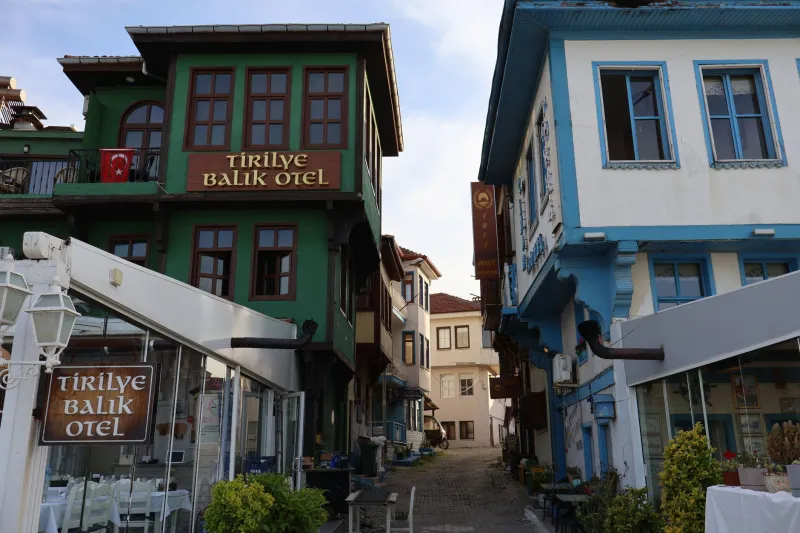
Let's be honest about something: there's a difference between visiting a place and actually experiencing it. Tourists hit the landmarks, eat at the spots with the biggest signs, and come home with photos that look exactly like everyone else's. Travelers come home with stories, local recommendations, and a genuine sense of a place that doesn't fit neatly into a caption.
The gap between those two experiences is shaped by a lot of things—curiosity, flexibility, budget, time. But one factor gets almost no credit for how much it matters: where you sleep.
Your accommodation isn't just a home base. It's a lens. It determines which part of the city you wake up in, who you talk to over breakfast, what kind of local knowledge you stumble into, and ultimately how deeply you engage with the place you came to see. Choose the wrong one and you can spend an entire week in a city without ever really being there.
The Chain Hotel Bubble Is Real
This isn't a knock on major hotel brands. They offer consistency, reliability, and amenities that genuinely matter for certain kinds of trips—business travel, family vacations with young kids, situations where predictability is the whole point. If you need to be fresh for a 7am meeting in Chicago, a Marriott near the convention center is a completely rational choice.
But here's the thing about chain hotels in popular destinations: they're deliberately designed to feel the same everywhere. The lobby in Denver isn't all that different from the lobby in Miami or Portland. The breakfast buffet follows the same script. The hallways have the same carpet pattern. That consistency is the product, and it works—but it comes at the cost of place.
When your immediate surroundings feel interchangeable, it's easy to slip into tourist mode without realizing it. You move from the hotel to the attraction to the restaurant and back, following a path that's been smoothed and optimized for visitors. You're in the city, but you're not quite of it.
Local Guesthouses Change the Conversation
Stay at a family-run guesthouse in Savannah, Georgia, or a small inn operated by a longtime local in Santa Fe, and something shifts almost immediately. The person who checks you in knows the neighborhood. They have opinions about where to eat that aren't based on TripAdvisor rankings. They'll tell you which streets to walk down at dusk, which coffee shop has the best Wi-Fi, and which tourist attraction is genuinely worth your time versus which one is mostly hype.
That kind of insider knowledge is priceless, and it flows naturally from the accommodation relationship. You're not a room number to a guesthouse owner—you're a guest in a more literal sense. The interaction is personal, and personal interactions are how you actually learn about a place.
Beyond information, location matters here too. Local guesthouses tend to exist in neighborhoods that tourists don't automatically gravitate toward—residential blocks, arts districts, older commercial strips that haven't been fully gentrified yet. Waking up in those spaces means your baseline experience of the city is already more layered than what you'd get from a hotel near the waterfront or the main tourist corridor.
Boutique Properties: The Middle Ground That Often Gets It Right
Boutique hotels occupy an interesting space. They're professionally run, which means you get reliable service and genuine amenities, but they're also small enough and locally owned enough to carry a real sense of character. A well-chosen boutique stay can give you the best of both worlds: the comfort of a hotel with the personality of a local property.
The key word there is "well-chosen." Not all boutiques are created equal. Some are genuinely rooted in their location—designed by local architects, staffed by neighborhood residents, decorated with work from regional artists, serving food that reflects local culinary traditions. Others are boutique in name only, essentially small chain hotels with better throw pillows.
When you're evaluating boutique properties on a platform like RoomBST, look for specific signals. Does the listing mention local partnerships? Does the design reflect something about the region's history or culture? Do the reviews mention staff who gave genuinely useful local recommendations? Those details separate the properties that are truly embedded in their location from the ones that are just trading on the boutique label.
Where You Sleep Shapes What You See
Here's a practical example. Two people visit New Orleans for the same long weekend. One books a well-known chain hotel in the French Quarter, steps out each morning surrounded by other tourists, and follows the natural gravitational pull toward Bourbon Street and the obvious spots. The other books a small guesthouse in the Marigny, a residential neighborhood just outside the Quarter. They wake up to the sound of a local jazz club doing a soundcheck, grab coffee from a corner shop where the regulars know each other by name, and wander into the Quarter when they feel like it—but always with a home base that reminds them there's a whole city beyond the tourist circuit.
Same city. Same weekend. Completely different trips.
This isn't about being a travel snob or avoiding anything popular. It's about recognizing that your accommodation anchors your experience geographically and socially. Where you stay is where you start from, both literally and figuratively.
Think of Your Booking as an Editorial Decision
When experienced travelers approach a trip, they don't treat accommodation as a logistics problem to solve after the real planning is done. They treat it as one of the first and most important editorial decisions of the trip—a choice that shapes everything else.
Ask yourself: What kind of trip do I actually want? If the answer involves understanding a place more deeply, meeting people who live there, and coming home with experiences that feel genuinely specific to that destination, then your booking needs to reflect that intention. A room in the right neighborhood, at the right kind of property, sets that trip in motion before you've even packed.
RoomBST exists because finding that room—the one that fits not just your budget and dates but your actual travel goals—takes more than a quick filter search. It takes knowing what to look for, reading reviews carefully, and being willing to book something that might not be the most obvious choice.
The best trips usually aren't built on the most obvious choices. And they almost always start with a better booking decision.